Colorado Genealogy
USA (1,403,636) > Colorado (13,756)
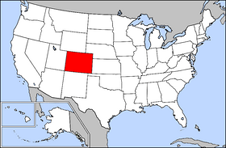
By Record Type

Colorado Genealogy Research Guide
If you're not sure which records would be helpful, you can try our Ancestor Source Finder tool.
Cemetery Records (3,065)
Census Records (2,136)
Church Records (446)
City Directories (1,248)
Court Records (21)
Death Records (302)
Histories and Genealogies (600)
Immigration Records (125)
Land Records (201)
Map Records (815)
Marriage Records (349)
Military Records (364)
Minority Records (39)
Miscellaneous Records (140)
Newspapers and Obituaries (3,083)
Probate Records (63)
School Records (1,243)
Tax Records (38)
By County
Alamosa County (114)
Arapahoe County (338)
Archuleta County (129)
Baca County (153)
Bent County (136)
Boulder County (608)
Broomfield County (65)
Chaffee County (226)
Cheyenne County (123)
Clear Creek County (195)
Conejos County (210)
Costilla County (131)
Crowley County (106)
Custer County (125)
Delta County (248)
Denver County (1,109)
Dolores County (105)
Douglas County (190)
Eagle County (175)
El Paso County (734)
Elbert County (177)
Fremont County (296)
Garfield County (241)
Gilpin County (210)
Grand County (103)
Gunnison County (278)
Hinsdale County (98)
Huerfano County (210)
Jackson County (69)
Jefferson County (400)
Kiowa County (119)
Kit Carson County (141)
La Plata County (281)
Lake County (187)
Larimer County (444)
Las Animas County (333)
Lincoln County (156)
Logan County (160)
Mesa County (375)
Mineral County (66)
Moffat County (113)
Montezuma County (217)
Montrose County (202)
Morgan County (157)
Otero County (208)
Ouray County (125)
Park County (125)
Phillips County (131)
Pitkin County (161)
Prowers County (178)
Pueblo County (455)
Rio Blanco County (95)
Rio Grande County (123)
Routt County (182)
Saguache County (134)
San Juan County (111)
San Miguel County (119)
Sedgwick County (108)
Summit County (114)
Teller County (177)
Washington County (126)
Weld County (485)
Yuma County (192)
By City
Aguilar (in Las Animas County) (35)
Akron (in Washington County) (39)
Alamosa (in Alamosa County) (62)
Alma (in Park County) (26)
Antonito (in Conejos County) (44)
Arapahoe (in Cheyenne County) (18)
Arboles (in Archuleta County) (20)
Arriba (in Lincoln County) (30)
Arvada (in Jefferson County) (59)
Aspen (in Pitkin County) (101)
Ault (in Weld County) (34)
Aurora (in Arapahoe County) (83)
Avondale (in Pueblo County) (23)
Bailey (in Park County) (21)
Basalt (in Eagle County) (26)
Bayfield (in La Plata County) (33)
Bellvue (in Larimer County) (25)
Bennett (in Adams County) (26)
Berthoud (in Larimer County) (40)
Bethune (in Kit Carson County) (24)
Black Forest (in El Paso County) (22)
Black Hawk (in Gilpin County) (55)
Blanca (in Costilla County) (23)
Boulder (in Boulder County) (214)
Bovina (in Lincoln County) (19)
Brandon (in Kiowa County) (28)
Branson (in Las Animas County) (27)
Breckenridge (in Summit County) (47)
Briggsdale (in Weld County) (21)
Brighton (in Adams County) (56)
Broomfield (in Broomfield County) (51)
Brush (in Morgan County) (53)
Buena Vista (in Chaffee County) (65)
Buffalo Creek (in Jefferson County) (22)
Burlington (in Kit Carson County) (45)
Byers (in Arapahoe County) (23)
Calhan (in El Paso County) (41)
Campo (in Baca County) (24)
Canon City (in Fremont County) (103)
Capulin (in Conejos County) (23)
Carbondale (in Garfield County) (41)
Castle Rock (in Douglas County) (59)
Cedaredge (in Delta County) (32)
Center (in Saguache County) (24)
Central City (in Gilpin County) (94)
Cheraw (in Otero County) (20)
Cheyenne Wells (in Cheyenne County) (48)
Clifton (in Mesa County) (23)
Coal Creek (in Fremont County) (23)
Collbran (in Mesa County) (41)
Colorado City (in Pueblo County) (47)
Colorado Springs (in El Paso County) (457)
Commerce City (in Adams County) (28)
Conejos (in Conejos County) (27)
Conifer (in Jefferson County) (24)
Cortez (in Montezuma County) (55)
Cotopaxi (in Fremont County) (19)
Craig (in Moffat County) (59)
Crawford (in Delta County) (25)
Creede (in Mineral County) (34)
Crested Butte (in Gunnison County) (55)
Crestone (in Saguache County) (20)
Cripple Creek (in Teller County) (70)
Crystal (in Gunnison County) (25)
DeBeque (in Mesa County) (30)
Deer Trail (in Arapahoe County) (27)
Del Norte (in Rio Grande County) (42)
Delta (in Delta County) (72)
Denver (in Denver County) (1,042)
Dillon (in Summit County) (25)
Divide (in Teller County) (21)
Dolores (in Montezuma County) (52)
Dove Creek (in Dolores County) (31)
Doyleville (in Gunnison County) (19)
Dunton (in Dolores County) (19)
Durango (in La Plata County) (121)
Eads (in Kiowa County) (37)
Eagle (in Eagle County) (33)
Eaton (in Weld County) (36)
Eckert (in Delta County) (22)
Eckley (in Yuma County) (22)
Edgewater (in Jefferson County) (22)
Elbert (in Elbert County) (40)
Elizabeth (in Elbert County) (40)
Empire (in Clear Creek County) (26)
Englewood (in Arapahoe County) (84)
Erie (in Weld County) (31)
Estes Park (in Larimer County) (45)
Evans (in Weld County) (28)
Evergreen (in Jefferson County) (29)
Fairplay (in Park County) (39)
Flagler (in Kit Carson County) (31)
Fleming (in Logan County) (21)
Florence (in Fremont County) (68)
Florissant (in Teller County) (28)
Fort Collins (in Larimer County) (156)
Fort Garland (in Costilla County) (22)
Fort Lupton (in Weld County) (37)
Fort Morgan (in Morgan County) (55)
Fountain (in El Paso County) (34)
Fowler (in Otero County) (34)
Frederick (in Weld County) (24)
Frisco (in Summit County) (22)
Fruita (in Mesa County) (47)
Fulford (in Eagle County) (20)
Garcia (in Costilla County) (20)
Gardner (in Huerfano County) (25)
Genoa (in Lincoln County) (29)
Georgetown (in Clear Creek County) (55)
Glenwood Springs (in Garfield County) (86)
Gold Hill (in Boulder County) (24)
Golden (in Jefferson County) (100)
Gothic (in Gunnison County) (20)
Granada (in Prowers County) (39)
Granby (in Grand County) (26)
Grand Junction (in Mesa County) (167)
Grand Lake (in Grand County) (19)
Grand Valley (in Garfield County) (21)
Granite (in Chaffee County) (22)
Greeley (in Weld County) (129)
Grover (in Weld County) (21)
Gunnison (in Gunnison County) (93)
Gypsum (in Eagle County) (28)
Hartman (in Prowers County) (19)
Hasty (in Bent County) (19)
Haswell (in Kiowa County) (22)
Haxtun (in Phillips County) (31)
Hayden (in Routt County) (35)
Hesperus (in La Plata County) (24)
Highlands Ranch (in Douglas County) (21)
Hoehne (in Las Animas County) (24)
Holly (in Prowers County) (34)
Holyoke (in Phillips County) (59)
Hot Sulphur Springs (in Grand County) (26)
Hotchkiss (in Delta County) (30)
Howard (in Fremont County) (19)
Hoyt (in Morgan County) (19)
Hudson (in Weld County) (21)
Hugo (in Lincoln County) (44)
Hygiene (in Boulder County) (25)
Idaho Springs (in Clear Creek County) (64)
Idalia (in Yuma County) (22)
Ignacio (in La Plata County) (42)
Jamestown (in Boulder County) (24)
Jefferson (in Park County) (21)
Johnstown (in Weld County) (22)
Julesburg (in Sedgwick County) (48)
Karval (in Lincoln County) (24)
Keenesburg (in Weld County) (22)
Keota (in Weld County) (27)
Kim (in Las Animas County) (27)
Kiowa (in Elbert County) (29)
Kirk (in Yuma County) (21)
Kit Carson (in Cheyenne County) (22)
Kline (in La Plata County) (20)
Kremmling (in Grand County) (28)
La Jara (in Conejos County) (39)
La Junta (in Otero County) (68)
La Veta (in Huerfano County) (34)
Lafayette (in Boulder County) (55)
Lake City (in Hinsdale County) (53)
Lakewood (in Jefferson County) (60)
Lamar (in Prowers County) (62)
Laporte (in Larimer County) (28)
Las Animas (in Bent County) (45)
Las Mesitas (in Conejos County) (20)
Leadville (in Lake County) (130)
Lewis (in Montezuma County) (21)
Limon (in Lincoln County) (39)
Littleton (in Arapahoe County) (100)
Longmont (in Boulder County) (117)
Los Sauces (in Conejos County) (21)
Louisville (in Boulder County) (46)
Loveland (in Larimer County) (89)
Lyons (in Boulder County) (41)
Manassa (in Conejos County) (40)
Mancos (in Montezuma County) (53)
Manitou Springs (in El Paso County) (84)
Manzanola (in Otero County) (21)
Marble (in Gunnison County) (38)
Marvel (in La Plata County) (19)
Matheson (in Elbert County) (22)
McClave (in Bent County) (20)
Meeker (in Rio Blanco County) (44)
Merino (in Logan County) (19)
Mesa (in Mesa County) (26)
Minturn (in Eagle County) (27)
Monte Vista (in Rio Grande County) (57)
Montezuma (in Summit County) (22)
Montrose (in Montrose County) (76)
Monument (in El Paso County) (40)
Morrison (in Jefferson County) (31)
Nathrop (in Chaffee County) (25)
Nederland (in Boulder County) (30)
Nevadaville (in Gilpin County) (24)
New Castle (in Garfield County) (30)
New Raymer (in Weld County) (27)
Niwot (in Boulder County) (29)
Northglenn (in Adams County) (20)
Norwood (in San Miguel County) (29)
Nucla (in Montrose County) (31)
Nunn (in Weld County) (27)
Oak Creek (in Routt County) (42)
Olathe (in Montrose County) (36)
Olney Springs (in Crowley County) (19)
Orchard City (in Delta County) (22)
Orchard Mesa (in Mesa County) (23)
Ordway (in Crowley County) (38)
Otis (in Washington County) (29)
Ouray (in Ouray County) (57)
Ovid (in Sedgwick County) (23)
Pagosa Springs (in Archuleta County) (48)
Palisade (in Mesa County) (37)
Paoli (in Phillips County) (19)
Paonia (in Delta County) (56)
Parachute (in Garfield County) (23)
Parker (in Douglas County) (37)
Peetz (in Logan County) (22)
Penrose (in Fremont County) (25)
Peyton (in El Paso County) (25)
Pitkin (in Gunnison County) (27)
Placerville (in San Miguel County) (19)
Platteville (in Weld County) (32)
Pleasant View (in Montezuma County) (19)
Poncha Springs (in Chaffee County) (23)
Pritchett (in Baca County) (24)
Pueblo (in Pueblo County) (309)
Ramah (in El Paso County) (26)
Rangely (in Rio Blanco County) (22)
Red Cliff (in Eagle County) (35)
Rico (in Dolores County) (33)
Ridgway (in Ouray County) (35)
Rifle (in Garfield County) (41)
Rockvale (in Fremont County) (18)
Rocky Ford (in Otero County) (59)
Rosita (in Custer County) (26)
Rush (in El Paso County) (22)
Rye (in Pueblo County) (31)
Saguache (in Saguache County) (41)
Salida (in Chaffee County) (89)
Salina (in Boulder County) (22)
San Luis (in Costilla County) (37)
Sanford (in Conejos County) (28)
Sedalia (in Douglas County) (25)
Sedgwick (in Sedgwick County) (21)
Seibert (in Kit Carson County) (27)
Sheridan Lake (in Kiowa County) (24)
Silt (in Garfield County) (22)
Silver Cliff (in Custer County) (42)
Silver Plume (in Clear Creek County) (28)
Silverton (in San Juan County) (70)
Simla (in Elbert County) (35)
Springfield (in Baca County) (40)
Steamboat Springs (in Routt County) (58)
Sterling (in Logan County) (62)
Stonington (in Baca County) (19)
Stratton (in Kit Carson County) (29)
Sugar City (in Crowley County) (37)
Sunset (in Boulder County) (22)
Sunshine (in Boulder County) (24)
Superior (in Boulder County) (22)
Telluride (in San Miguel County) (49)
Thornton (in Adams County) (29)
Tiffany (in La Plata County) (19)
Tincup (in Gunnison County) (25)
Towaoc (in Montezuma County) (18)
Trinidad (in Las Animas County) (139)
Trujillo (in Archuleta County) (19)
Twin Lakes (in Lake County) (20)
Vail (in Eagle County) (24)
Victor (in Teller County) (38)
Vilas (in Baca County) (19)
Vona (in Kit Carson County) (26)
Walden (in Jackson County) (39)
Walsenburg (in Huerfano County) (86)
Walsh (in Baca County) (23)
Wellington (in Larimer County) (35)
Westcliffe (in Custer County) (42)
Westminster (in Adams County) (32)
Weston (in Las Animas County) (21)
Wheat Ridge (in Jefferson County) (40)
Whitewater (in Mesa County) (25)
Wiley (in Bent County) (21)
Windsor (in Weld County) (36)
Winter Park (in Grand County) (20)
Woodland Park (in Teller County) (33)
Wray (in Yuma County) (54)
Yampa (in Routt County) (31)
Yoder (in El Paso County) (24)
Yuma (in Yuma County) (46)
Colorado Genealogy Research Guide
Quick Facts
Colorado joins two very different record worlds: the Anglo mining-and-homestead frontier that filled the mountains and plains after 1859, and the older Hispano south, where Spanish and Mexican land grants and Catholic parishes reach back before the region became American. Because statewide birth and death registration came late and most records stayed at the county level, successful Colorado research leans heavily on county courthouses, an important 1885 census, church registers, and the state's deep newspaper collections.
- Capital: Denver. During the territorial years the seat of government moved from Colorado City to Golden before settling permanently at Denver in 1867.
- Statehood: August 1, 1876, the thirty-eighth state — the Centennial State, admitted in the hundredth year of the Declaration of Independence. Colorado Territory had been created on February 28, 1861 from parts of the Kansas, Nebraska, Utah, and New Mexico territories, and an extralegal provisional government, the Territory of Jefferson, briefly governed the gold region from 1859.
- Counties: 64. The first seventeen were created in 1861 by the first territorial legislature; the last, the City and County of Broomfield, in 2001.
- Land type: Colorado is a federal (public-domain) land state, so there are federal General Land Office records — homesteads, cash entries, and the mineral and mining entries that loom large in a mining state. The great exception is southern Colorado, where Spanish and Mexican land grants predate American rule and were confirmed through a separate federal process.
- Nickname and motto: the Centennial State; the state motto is Nil sine Numine ("Nothing without Providence").
- Where records live: most genealogical records — deeds, marriages, probate, and court records — are kept at the county level by the county clerk and recorder and the district and county courts, while statewide birth and death registration began only in the early twentieth century.
Libraries and Archives
Colorado's collections cluster in Denver, which holds state-government records and the largest genealogical libraries, with important regional and tribal holdings elsewhere in the state. The principal repositories include:
- Colorado State Archives (Denver) — state and county government records, including statewide marriage and divorce indexes, naturalization, military, probate, penitentiary, and the 1885 state census, many searchable through its free online index.
- History Colorado, Stephen H. Hart Research Center (Denver) — the state historical society, with manuscripts, photographs, land-grant collections, and a card index to vital records printed in Colorado newspapers.
- Denver Public Library, Western History & Genealogy Department — one of the major genealogy repositories of the Rocky Mountain West, with the Genealogy and Western History collections, city directories, and newspaper indexes.
- National Archives at Denver — federal court naturalizations, General Land Office case files, and Bureau of Indian Affairs records for Colorado.
- Colorado Genealogical Society — the oldest genealogical society in the state, with research aids and publications.
- Genealogical Society of Hispanic America and the Colorado Society of Hispanic Genealogy — specialists in the Spanish and Mexican families of southern Colorado and the Southwest.
- Black American West Museum (Denver) — the history of African American Coloradans, housed in the former home of Dr. Justina Ford.
- The Southern Ute Indian Tribe and Ute Mountain Ute Tribe maintain their own tribal records, and the Amache Preservation Society documents the wartime Granada Relocation Center.
- The FamilySearch Library and its worldwide FamilySearch Centers hold extensive Colorado microfilm and digital collections, and county clerks and recorders, district courts, and local historical societies hold records for their own areas.
Major Websites
These sites host digitized Colorado records and indexes. Subscription sites are marked ($).
- FamilySearch — free; the backbone finding aid, with the FamilySearch Wiki, catalog, and large digitized collections of Colorado vital, county court, land, probate, naturalization, church, and military records.
- Ancestry ($) — extensive Colorado marriage, divorce, census, naturalization, military, and probate collections.
- MyHeritage ($) — Colorado marriage, death, and census collections.
- Findmypast ($) — Colorado collections including the 1885 state census.
- Colorado Historic Newspapers Collection — free; digitized Colorado newspapers from 1859 onward, in English and several immigrant languages.
- Colorado Virtual Library — free; digital collections and state publications from the Colorado State Library.
- History Colorado and the Denver Public Library digital collections — free; photographs, manuscripts, and local-history material.
- Internet Archive and HathiTrust — free; digitized Colorado histories, session laws, and published record abstracts.
- Chronicling America — free; the Library of Congress newspaper archive.
- Find a Grave and BillionGraves — free; cemetery listings, photographs, and transcriptions.
Law and Government
Colorado's statutes and legislative records help explain the jurisdictions and record-keeping practices that produced genealogical records, and the foundational texts — from the first territorial session of 1861 — are digitized and free to read. Before 1861 the region was governed under the laws of the Kansas, Nebraska, Utah, and New Mexico territories.
- The Colorado Session Laws digital collection at the University of Colorado Law Library gathers the territorial and state session laws from 1861 onward, digitized with the state's permission, alongside the House and Senate Journals.
- Individual territorial acts, including the 1861 Organic Act that created Colorado Territory, are on the University of Colorado Law digital repository.
- The state's general and revised statutes and early session-law volumes are also digitized on HathiTrust and the Internet Archive.
- The Colorado State Archives holds the legislative records and a transcribed copy of the Enabling Act under which Colorado became a state.
Vital Records (Birth, Marriage, Death)
Statewide registration of births and deaths began only in 1907, supervised by what is now the Colorado Department of Public Health and Environment, and compliance took years to become complete. Some counties recorded births and deaths earlier — from the 1870s in a few places — and marriages were kept by the county clerk from territorial days. Birth and death records are restricted for a period of years and are released only to eligible family members with identification; older records open to the public over time, and a fee applies. Use these indexes to find a record, then order it from the state or the county:
- Marriages: Colorado County Marriage Records and State Index, 1862–2006 ($); free on FamilySearch as Colorado County Marriages, 1864–1995 and the Colorado Statewide Marriage Index, 1853–2006, and a later portion is on MyHeritage ($).
- Divorces: the Colorado Divorce Index, 1851–1985 ($); the Colorado Statewide Divorce Index, 1900–1939, is free on FamilySearch and through the State Archives.
- Deaths: statewide from 1907, and county or city records before then; the Denver Deaths, 1880–1909 ($) index covers the early city, and the Colorado State Archives hosts free Denver death and burial indexes.
- Births: statewide from 1907 and restricted; the earliest Denver births are indexed free through the Colorado State Archives.
- Ordering: the Colorado Department of Public Health and Environment issues birth and death copies from 1907 onward, and the county clerk and recorder issues marriage records.
History and Timeline of Major Events
Key dates that shaped Colorado's jurisdictions and records:
- 1821 — Mexico wins independence from Spain, and southern Colorado becomes part of Mexican New Mexico.
- 1833–1844 — Mexican authorities issue the great land grants of the south, among them the Conejos, Sangre de Cristo, and Vigil & St. Vrain grants.
- 1848 — The Treaty of Guadalupe Hidalgo transfers the region to the United States.
- 1851 — San Luis, Colorado's oldest surviving town, is founded in the San Luis Valley.
- 1858–1859 — The Pike's Peak Gold Rush draws tens of thousands of prospectors to the Front Range.
- 1859 — Gold-region settlers organize the provisional Territory of Jefferson.
- February 28, 1861 — Congress creates Colorado Territory, and the first seventeen counties are laid out that year.
- 1862 — Colorado volunteers help defeat a Confederate army at the Battle of Glorieta Pass in New Mexico.
- 1864 — The Sand Creek Massacre, in which Colorado troops attack a Cheyenne and Arapaho camp.
- 1870s — The railroads arrive, and a series of treaties and removals push the Ute people onto reservations in the southwest.
- August 1, 1876 — Colorado is admitted as the thirty-eighth state.
- 1878–1893 — Silver booms at Leadville and gold at Cripple Creek transform the mountains, until the silver crash of 1893.
- 1893 — Colorado grants women the vote by popular referendum.
- 1902 — Denver is reorganized as a consolidated city and county.
- 1942–1945 — The Granada Relocation Center (Amache) confines Japanese Americans in the southeast of the state.
- 2001 — Broomfield becomes the sixty-fourth and last Colorado county.
Census Records and Substitutes
Federal censuses are available for the region from 1860 through 1950, the most recent census open to the public, though the earliest are not under Colorado's name. In 1860 the future state's residents were enumerated under the Kansas, Nebraska, Utah, and New Mexico territories; 1870 is the first census of Colorado Territory as such, and 1880 the first after statehood. The 1890 federal census was destroyed nationally. The surviving censuses are free on FamilySearch and searchable on Ancestry ($) and MyHeritage ($).
The 1885 state census is Colorado's most valuable census substitute. Taken with federal support in the June of that year, it falls midway between the 1880 and 1900 counts and partly fills the gap left by the destroyed 1890 census. It comprises four schedules — population, agriculture, manufactures, and a mortality schedule naming those who died in the preceding year — and survives for every county then organized except Fremont and Garfield. It is free on FamilySearch, and also on Ancestry ($) and Findmypast ($).
- City and business directories place a family in a town and year where censuses are missing, and the Denver Public Library and the State Library hold large directory collections.
- Voter registrations, tax lists, and stock brand books round out the substitutes for the territorial and early-statehood years.
- The Colorado Historic Newspapers Collection supplies birth, marriage, and death notices that stand in for the late-starting civil records.
Church Records
Because civil registration is late, church records are the most important substitute for vital records before the twentieth century. In the Hispano south the Catholic parish registers of the San Luis Valley — baptisms, marriages, and burials kept under the Archdiocese of Santa Fe and later the Diocese of Pueblo — are the foundational source, alongside the lay penitente brotherhoods. Protestant congregations (Methodist, Presbyterian, Baptist, Lutheran, and Episcopal) followed mining settlement across the mountains, and there is a Latter-day Saint presence in the San Luis Valley from the 1880s.
- Colorado, Church Records, 1692–1942 — free on FamilySearch; an index linked to browsable images for many Catholic, Methodist, and Presbyterian congregations.
- Later Catholic registers are held by the Archdiocese of Denver and the Diocese of Pueblo, and many parish registers are filmed in the FamilySearch Catalog by parish.
- Protestant and other congregational records are held by the churches, denominational archives, and the History Colorado and Denver Public Library manuscript collections.
Court Records
Colorado's courts reach well beyond lawsuits into estates, guardianships, naturalizations, divorces, and name changes, and the system was reshaped as the region moved from Mexican rule to territory to state. The main courts a researcher encounters are:
- Alcalde courts, under Mexican rule in the south — local magistrates who handled civil disputes and land matters before the American courts were built.
- District and probate courts, 1861–1876 — the territorial district courts handled major civil and criminal cases and many naturalizations, and a probate court in each county handled estates and guardianships.
- County and district courts, from statehood — county courts took over probate and lesser civil and criminal matters, while district courts handle major civil, criminal, and divorce cases; the Denver Probate Court is a separate, specialized court.
Records are held by the clerks of the county and district courts, and the Colorado State Archives holds extensive court, naturalization, and probate records transferred from many counties.
Ethnic/Minority Records
Colorado has been diverse since the mission and mining eras, and knowing where a group settled points to the records most likely to document a family.
- Hispanos. The Spanish and Mexican founding families of the San Luis Valley and southern Colorado are documented in the Catholic parish registers, in the Spanish and Mexican land-grant papers, and through the Genealogical Society of Hispanic America and the Colorado Society of Hispanic Genealogy.
- Native peoples. The Ute — today the Southern Ute and Ute Mountain Ute tribes — held western and southern Colorado, while the Cheyenne and Arapaho ranged the eastern plains. Bureau of Indian Affairs agency records, censuses, and allotment and annuity rolls are held at the National Archives at Denver, and Ute vital records are available through the FamilySearch Library.
- African Americans. Black Coloradans built Denver's Five Points neighborhood and the farming colony of Dearfield on the eastern plains; their history is gathered at the Black American West Museum and in the Black newspapers digitized in the Colorado Historic Newspapers Collection.
- Mining-era immigrants. Cornish, Italian, German, Chinese, Japanese, and eastern-European miners and their families appear in naturalization records, in employment records of the steel and mining companies, and in the immigrant-language newspapers of the historic-newspaper collection.
- Japanese Americans at Amache. The wartime Granada Relocation Center is documented in the Colorado State Archives Amache collection, the University of Denver Amache Project, and the camp's own newspaper in the historic-newspaper collection.
Immigration and Naturalization
Colorado is landlocked and has no port of entry, so immigration research runs through naturalization records rather than passenger lists. Before 1906 any court of record — territorial, county, district, or federal — could naturalize, so records are scattered across those courts; after 1906 the process was federalized and standardized.
- The Colorado Federal Naturalization Records, 1868–1990 ($) index covers the federal courts, and free Colorado Naturalization Records, 1876–1990 are on FamilySearch.
- The Colorado State Archives holds a statewide index to county-court naturalizations, and the National Archives at Denver holds the declarations and petitions of the federal district courts at Denver, Pueblo, and other divisions.
Land Records
Colorado is a federal (public-domain) land state, but its land history has two distinct layers: the Spanish and Mexican grants of the south that predate American rule, and the federal public domain opened afterward. Knowing which layer a parcel came from tells you where the records survive.
Spanish and Mexican land grants. After the 1848 cession, grants made by Mexican authorities were reviewed and confirmed (or rejected) through the U.S. surveyor general and, later, the Court of Private Land Claims. Because a confirmed grant governs how the land beneath it was later divided, the grant papers are essential for families in the south-central counties.
- Sangre de Cristo Grant — made in 1843 and possessed in 1844, roughly 1.4 million acres straddling the San Luis Valley in what is now Costilla County and northern New Mexico; it gave rise to San Luis and was confirmed by Congress.
- Conejos (Guadalupe) Grant — petitioned in 1832 in the Conejos and Rio Grande country west of the Rio Grande; its claim was ultimately rejected by the Court of Private Land Claims.
- Vigil & St. Vrain (Las Animas) Grant — awarded in 1843 to Cornelio Vigil and Ceran St. Vrain between the Arkansas and Purgatoire rivers; the largest grant claimed in Colorado, it was sharply reduced by the U.S. courts.
- Nolan Grant — awarded in 1843 to Gervasio Nolan along the St. Charles River south of the Arkansas; confirmed by Congress at a fraction of the size originally claimed.
- Beaubien-Miranda (Maxwell) Grant — made in 1841 and lying mostly in New Mexico but reaching into Las Animas County; confirmed and later famous as the vast Maxwell Land Grant.
Federal public-domain land. Land outside the confirmed grants was disposed of by the federal government through homesteads, cash and timber entries, and the mineral and mining-claim patents that are so common in Colorado.
- The Bureau of Land Management General Land Office Records site is free and provides the federal land patents, survey plats, and field notes for Colorado; the underlying case files are held at the National Archives.
- The grant papers themselves are held by the Bureau of Land Management, the National Archives (Court of Private Land Claims), the Colorado State Archives Spanish and Mexican land-grant collection, and History Colorado.
County deeds. Once land was in private hands, later transfers are recorded as deeds by the county clerk and recorder. Online, FamilySearch Full-Text Search makes many unindexed Colorado deeds, land entries, and grant papers searchable by every name they contain, including grantors, grantees, witnesses, and neighbors.
Military Records
Colorado took part in the nation's conflicts from the territorial era onward, and its records are split between federal service records, state muster rolls, and published indexes.
- Civil War: the First Colorado Volunteers (infantry, later cavalry) helped turn back a Confederate army at Glorieta Pass in 1862, and elements of the Colorado volunteers carried out the Sand Creek Massacre in 1864; the Colorado State Archives hosts a free index to the Colorado volunteers' service records and Civil War casualties.
- Spanish–American War and the Indian Wars: the State Archives indexes Colorado's 1898 volunteers and related service records.
- World War I: the Colorado Roster of Men and Women Who Served in World War I, 1917–1918 ($), with the State Archives' free civilian service questionnaires and grave-registration indexes.
- World War II: the free Colorado World War II Draft Registration Cards, 1940–1945 on FamilySearch.
State adjutant general and Colorado National Guard service records are held by the State Archives.
Probate Records
Probate — wills, administrations of intestate estates, and guardianships of minors — is among the richest sources for family relationships, because the estate file usually names the heirs. Jurisdiction shifted as the courts were reorganized.
- Territorial period, 1861–1876: a probate court in each county proved wills, granted administrations, and appointed guardians.
- From statehood: probate passed to the county courts in most counties, while the Denver Probate Court handles estates as a separate, specialized court.
Records are held by the clerks of those courts and are widely filmed. Online, the Colorado Wills and Probate Records, 1875–1974 ($) is name-searchable across many counties, the Colorado State Archives indexes county probate cases, and FamilySearch Full-Text Search makes many unindexed wills and estate files searchable by every name they contain.
Tax Records
Tax lists place a family in a specific place and year and are valuable substitutes where censuses, registers, or deeds are missing; several consecutive years can reveal when a young man came of age, acquired property, moved, or died and left heirs.
- County assessment rolls — real and personal property assessments — are the main state-level tax record; they are held by the county assessor and treasurer, and older rolls for many counties are at the Colorado State Archives, which also indexes county inheritance-tax records.
- Territorial tax lists survive for the 1860s and 1870s among the county and State Archives holdings.
- U.S. IRS Tax Assessment Lists, 1862–1918 ($) — Civil War–era and later federal income, license, and luxury taxes, including the Colorado assessment districts from the territory's earliest years.
Back to Top