Washington Genealogy
USA (1,403,636) > Washington (15,552)
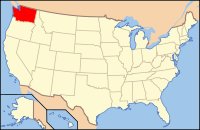
By Record Type

Washington Genealogy Research Guide
If you're not sure which records would be helpful, you can try our Ancestor Source Finder tool.
Cemetery Records (2,948)
Census Records (2,797)
Church Records (491)
City Directories (1,077)
Court Records (43)
Death Records (655)
Histories and Genealogies (513)
Immigration Records (293)
Land Records (191)
Map Records (1,106)
Marriage Records (571)
Military Records (263)
Minority Records (44)
Miscellaneous Records (197)
Newspapers and Obituaries (3,131)
Probate Records (193)
School Records (1,197)
Tax Records (34)
By County
Asotin County (192)
Benton County (236)
Chelan County (293)
Clallam County (364)
Clark County (481)
Columbia County (201)
Cowlitz County (378)
Douglas County (235)
Ferry County (136)
Franklin County (177)
Garfield County (138)
Grant County (238)
Grays Harbor County (390)
Island County (226)
Jefferson County (274)
King County (1,938)
Kitsap County (388)
Kittitas County (387)
Klickitat County (269)
Lewis County (520)
Lincoln County (342)
Mason County (203)
Okanogan County (326)
Pacific County (292)
Pend Oreille County (171)
Pierce County (928)
San Juan County (182)
Skagit County (393)
Skamania County (157)
Snohomish County (730)
Spokane County (1,036)
Stevens County (397)
Thurston County (453)
Wahkiakum County (143)
Walla Walla County (474)
Whatcom County (519)
Whitman County (529)
Yakima County (511)
By City
Addy (in Stevens County) (49)
Albion (in Whitman County) (37)
Almira (in Lincoln County) (45)
Amboy (in Clark County) (45)
Anacortes (in Skagit County) (83)
Anatone (in Asotin County) (42)
Anderson Island (in Pierce County) (36)
Arlington (in Snohomish County) (88)
Asotin (in Asotin County) (47)
Auburn (in King County) (67)
Bainbridge Island (in Kitsap County) (54)
Battle Ground (in Clark County) (52)
Bay Center (in Pacific County) (38)
Belfair (in Mason County) (50)
Bellevue (in King County) (97)
Bellingham (in Whatcom County) (176)
Benton (in Benton County) (38)
Bickleton (in Klickitat County) (41)
Bingen (in Klickitat County) (38)
Black Diamond (in King County) (39)
Blaine (in Whatcom County) (63)
Bossburg (in Stevens County) (45)
Bothell (in King County) (48)
Bremerton (in Kitsap County) (123)
Brewster (in Okanogan County) (50)
Bridgeport (in Douglas County) (44)
Brush Prairie (in Clark County) (47)
Buckley (in Pierce County) (52)
Bucoda (in Thurston County) (45)
Burbank (in Walla Walla County) (46)
Burien (in King County) (36)
Burlington (in Skagit County) (60)
Camano (in Island County) (46)
Camas (in Clark County) (64)
Carbonado (in Pierce County) (37)
Carnation (in King County) (38)
Carson (in Skamania County) (42)
Cashmere (in Chelan County) (49)
Castle Rock (in Cowlitz County) (53)
Cathlamet (in Wahkiakum County) (52)
Centralia (in Lewis County) (104)
Charleston (in Kitsap County) (32)
Chattaroy (in Spokane County) (48)
Chehalis (in Lewis County) (95)
Chelan (in Chelan County) (51)
Cheney (in Spokane County) (101)
Chewelah (in Stevens County) (65)
Chimacum (in Jefferson County) (29)
Chinook (in Pacific County) (34)
Clallam Bay (in Clallam County) (36)
Clarkston (in Asotin County) (61)
Clayton (in Stevens County) (45)
Cle Elum (in Kittitas County) (54)
Clear Lake (in Skagit County) (49)
Cloverland (in Asotin County) (35)
Colbert (in Spokane County) (47)
Colfax (in Whitman County) (74)
College Place (in Walla Walla County) (60)
Colton (in Whitman County) (54)
Colville (in Stevens County) (84)
Conconully (in Okanogan County) (35)
Concrete (in Skagit County) (54)
Connell (in Franklin County) (44)
Cosmopolis (in Grays Harbor County) (52)
Coulee City (in Grant County) (47)
Coulee Dam (in Douglas County) (42)
Coupeville (in Island County) (60)
Cowiche (in Yakima County) (44)
Creston (in Lincoln County) (46)
Cunningham (in Adams County) (49)
Curlew (in Ferry County) (29)
Curtis (in Lewis County) (44)
Cusick (in Pend Oreille County) (40)
Darrington (in Snohomish County) (55)
Davenport (in Lincoln County) (69)
Dayton (in Columbia County) (95)
Deer Park (in Spokane County) (69)
Deming (in Whatcom County) (54)
Des Moines (in King County) (35)
Dixie (in Walla Walla County) (46)
Dryad (in Lewis County) (44)
Duvall (in King County) (41)
East Wenatchee (in Douglas County) (47)
Easton (in Kittitas County) (43)
Eastsound (in San Juan County) (47)
Eatonville (in Pierce County) (54)
Edison (in Skagit County) (54)
Edmonds (in Snohomish County) (82)
Edwall (in Lincoln County) (43)
Elk (in Spokane County) (47)
Ellensburg (in Kittitas County) (148)
Elma (in Grays Harbor County) (63)
Eltopia (in Franklin County) (36)
Endicott (in Whitman County) (43)
Entiat (in Chelan County) (42)
Enumclaw (in King County) (57)
Ephrata (in Grant County) (51)
Everett (in Snohomish County) (217)
Everson (in Whatcom County) (53)
Fairfield (in Spokane County) (58)
Fairhaven (in Whatcom County) (65)
Fall City (in King County) (42)
Farmington (in Whitman County) (47)
Federal Way (in King County) (53)
Ferndale (in Whatcom County) (69)
Ford (in Stevens County) (46)
Forks (in Clallam County) (46)
Fort Lewis (in Pierce County) (44)
Franklin (in King County) (33)
Freeland (in Island County) (44)
Freeman (in Spokane County) (48)
Friday Harbor (in San Juan County) (71)
Fruitland (in Stevens County) (55)
Garfield (in Whitman County) (49)
Gig Harbor (in Pierce County) (59)
Glenoma (in Lewis County) (44)
Glenwood (in Klickitat County) (38)
Goldendale (in Klickitat County) (77)
Grand Coulee (in Grant County) (44)
Grandview (in Yakima County) (50)
Granger (in Yakima County) (44)
Granite Falls (in Snohomish County) (59)
Grayland (in Pacific County) (33)
Greenacres (in Spokane County) (52)
Hamilton (in Skagit County) (54)
Hanson (in Grant County) (40)
Harrington (in Lincoln County) (51)
Hartline (in Grant County) (44)
Hatton (in Adams County) (50)
Hillyard (in Spokane County) (49)
Home (in Pierce County) (36)
Hoquiam (in Grays Harbor County) (76)
Hunters (in Stevens County) (46)
Ilwaco (in Pacific County) (44)
Ione (in Pend Oreille County) (58)
Issaquah (in King County) (50)
Joyce (in Clallam County) (35)
Kahlotus (in Franklin County) (38)
Kalama (in Cowlitz County) (49)
Kapowsin (in Pierce County) (39)
Keller (in Ferry County) (26)
Kelso (in Cowlitz County) (91)
Kennewick (in Benton County) (88)
Kent (in King County) (109)
Kettle Falls (in Stevens County) (62)
Kingston (in Kitsap County) (31)
Kirkland (in King County) (54)
Kittitas (in Kittitas County) (40)
La Center (in Clark County) (53)
La Conner (in Skagit County) (66)
La Crosse (in Whitman County) (46)
La Push (in Clallam County) (36)
Lacey (in Thurston County) (60)
Lake Stevens (in Snohomish County) (54)
Lakewood (in Pierce County) (52)
Lamont (in Whitman County) (35)
Langley (in Island County) (55)
Latah (in Spokane County) (57)
Leavenworth (in Chelan County) (62)
Lind (in Adams County) (64)
Long Beach (in Pacific County) (34)
Longview (in Cowlitz County) (67)
Loomis (in Okanogan County) (34)
Loon Lake (in Stevens County) (46)
Lopez Island (in San Juan County) (46)
Lyle (in Klickitat County) (43)
Lyman (in Skagit County) (52)
Lynden (in Whatcom County) (77)
Lynnwood (in Snohomish County) (68)
Mabton (in Yakima County) (50)
Mansfield (in Douglas County) (45)
Manson (in Chelan County) (38)
Maple Falls (in Whatcom County) (48)
Maple Valley (in King County) (34)
Marcus (in Stevens County) (49)
Marlin (in Grant County) (38)
Marysville (in Snohomish County) (82)
Mattawa (in Grant County) (38)
McCleary (in Grays Harbor County) (46)
McNeil Island (in Pierce County) (38)
Mead (in Spokane County) (52)
Medical Lake (in Spokane County) (68)
Menlo (in Pacific County) (39)
Mercer Island (in King County) (39)
Metaline Falls (in Pend Oreille County) (43)
Milan (in Spokane County) (47)
Molson (in Okanogan County) (42)
Monroe (in Snohomish County) (69)
Montesano (in Grays Harbor County) (71)
Morton (in Lewis County) (52)
Moses Lake (in Grant County) (56)
Mossyrock (in Lewis County) (53)
Mount Vernon (in Skagit County) (89)
Mountlake Terrace (in Snohomish County) (58)
Moxee City (in Yakima County) (50)
Mukilteo (in Snohomish County) (61)
Naches (in Yakima County) (54)
Napavine (in Lewis County) (47)
Naselle (in Pacific County) (37)
Neah Bay (in Clallam County) (36)
Nespelem (in Okanogan County) (37)
New Tacoma (in Pierce County) (38)
New Whatcom (in Whatcom County) (58)
Newcastle (in King County) (36)
Newport (in Pend Oreille County) (57)
Nooksack (in Whatcom County) (53)
North Bend (in King County) (40)
North Yakima (in Yakima County) (65)
Northport (in Stevens County) (57)
Oak Harbor (in Island County) (66)
Oakesdale (in Whitman County) (48)
Oakville (in Grays Harbor County) (57)
Odessa (in Lincoln County) (58)
Okanogan (in Okanogan County) (47)
Olympia (in Thurston County) (229)
Omak (in Okanogan County) (53)
Onalaska (in Lewis County) (49)
Opportunity (in Spokane County) (47)
Orcas Island (in San Juan County) (47)
Orient (in Ferry County) (26)
Oroville (in Okanogan County) (58)
Orting (in Pierce County) (55)
Othello (in Adams County) (63)
Otis Orchard (in Spokane County) (48)
Oysterville (in Pacific County) (33)
Palouse (in Whitman County) (57)
Parkland (in Pierce County) (40)
Pasco (in Franklin County) (65)
Pataha (in Garfield County) (35)
Pateros (in Okanogan County) (39)
Pe Ell (in Lewis County) (53)
Peshastin (in Chelan County) (40)
Pomeroy (in Garfield County) (65)
Port Angeles (in Clallam County) (161)
Port Gamble (in Kitsap County) (30)
Port Madison (in Kitsap County) (30)
Port Orchard (in Kitsap County) (61)
Port Townsend (in Jefferson County) (139)
Porter (in Grays Harbor County) (44)
Poulsbo (in Kitsap County) (48)
Prescott (in Walla Walla County) (54)
Preston (in King County) (35)
Prosser (in Benton County) (63)
Pullman (in Whitman County) (95)
Puyallup (in Pierce County) (72)
Quilcene (in Jefferson County) (34)
Quincy (in Grant County) (50)
Rainier (in Thurston County) (48)
Randle (in Lewis County) (49)
Ravensdale (in King County) (33)
Raymond (in Pacific County) (64)
Reardan (in Lincoln County) (52)
Redmond (in King County) (52)
Renton (in King County) (79)
Republic (in Ferry County) (44)
Rice (in Stevens County) (45)
Richland (in Benton County) (54)
Ridgefield (in Clark County) (57)
Ritzville (in Adams County) (103)
Riverside (in Okanogan County) (38)
Roche Harbor (in San Juan County) (45)
Rochester (in Thurston County) (44)
Rockford (in Spokane County) (69)
Rosalia (in Whitman County) (50)
Rosburg (in Wahkiakum County) (40)
Roslyn (in Kittitas County) (125)
Roy (in Pierce County) (45)
Royal City (in Grant County) (42)
Saint Andrews (in Douglas County) (38)
Saint John (in Whitman County) (36)
Salkum (in Lewis County) (43)
Salmon Creek (in Clark County) (41)
Satsop (in Grays Harbor County) (47)
Seattle (in King County) (1,030)
Sedro-Woolley (in Skagit County) (64)
Selah (in Yakima County) (51)
Sequim (in Clallam County) (50)
Shelton (in Mason County) (84)
Shoreline (in King County) (39)
Silverdale (in Kitsap County) (41)
Skamokawa (in Wahkiakum County) (40)
Snohomish (in Snohomish County) (88)
Snoqualmie (in King County) (39)
Soap Lake (in Grant County) (39)
South Bend (in Pacific County) (45)
Spanaway (in Pierce County) (41)
Spangle (in Spokane County) (55)
Spokane (in Spokane County) (571)
Spokane Valley (in Spokane County) (58)
Sprague (in Lincoln County) (65)
Springdale (in Stevens County) (52)
Stanwood (in Snohomish County) (89)
Starbuck (in Columbia County) (56)
Steilacoom (in Pierce County) (58)
Stevenson (in Skamania County) (50)
Sultan (in Snohomish County) (59)
Sumas (in Whatcom County) (60)
Sumner (in Pierce County) (51)
Sunnyside (in Yakima County) (62)
Tacoma (in Pierce County) (419)
Tekoa (in Whitman County) (57)
Tenino (in Thurston County) (49)
Thorp (in Kittitas County) (43)
Toledo (in Lewis County) (56)
Tonasket (in Okanogan County) (45)
Toppenish (in Yakima County) (59)
Touchet (in Walla Walla County) (50)
Trout Lake (in Klickitat County) (38)
Tukwila (in King County) (33)
Tumwater (in Thurston County) (58)
Twisp (in Okanogan County) (36)
Uniontown (in Whitman County) (55)
Usk (in Pend Oreille County) (41)
Vader (in Lewis County) (45)
Valley (in Stevens County) (50)
Valleyford (in Spokane County) (49)
Vancouver (in Clark County) (175)
Vashon (in King County) (55)
Waitsburg (in Walla Walla County) (62)
Walla Walla (in Walla Walla County) (219)
Wallula (in Walla Walla County) (50)
Wapato (in Yakima County) (50)
Warden (in Grant County) (46)
Washougal (in Clark County) (54)
Washtucna (in Adams County) (51)
Waterville (in Douglas County) (56)
Waverly (in Spokane County) (47)
Wellpinit (in Stevens County) (49)
Wenatchee (in Chelan County) (87)
West End (in Stevens County) (45)
Whatcom (in Whatcom County) (60)
White Bluffs (in Benton County) (37)
White Salmon (in Klickitat County) (53)
White Swan (in Yakima County) (51)
Wilbur (in Lincoln County) (56)
Wilkeson (in Pierce County) (42)
Wilson Creek (in Grant County) (39)
Winlock (in Lewis County) (64)
Winthrop (in Okanogan County) (38)
Woodinville (in King County) (39)
Woodland (in Cowlitz County) (45)
Yacolt (in Clark County) (44)
Yakima (in Yakima County) (130)
Yelm (in Thurston County) (43)
Zillah (in Yakima County) (49)
Washington Genealogy Research Guide
Quick Facts
Washington entered the Union on November 11, 1889 as the forty-second state, having spent thirty-six years as Washington Territory. Its records are shaped by two facts above all: it is a public-domain state, so the first title to most land came from the federal government; and its civil vital registration is late, beginning statewide only in 1907. Knowing which office held a record in which year is the whole of the work.
- Capital: Olympia, in Thurston County, the seat of government since the territory was organized.
- Statehood: November 11, 1889, the forty-second state, formed from Washington Territory, which Congress created on March 2, 1853 from the portion of Oregon Territory north of the Columbia River and the 46th parallel.
- Land type: Washington is a federal (public-domain) state, not a state-land state. Original title passed from the United States to individuals through the General Land Office by donation land claim, homestead, cash entry, or timber entry, so federal land-entry papers exist for most early settlers. Land is described by the rectangular survey — township, range, and section — referenced to the Willamette Meridian. Later transfers between individuals are recorded as deeds by the county auditor.
- Counties: 39. Lewis County and Vancouver County (renamed Clark) were created in 1845 under Oregon’s provisional government, before Washington Territory existed; the last, Pend Oreille County, was created from Stevens County in 1911.
- Nickname and motto: the Evergreen State; the motto is Al-ki (Alki), Chinook Jargon for “by and by.”
- Where records live: deeds and marriage records are filed with the county auditor; probate, divorce, civil cases, and most naturalizations with the superior court through the county clerk; birth and death certificates from July 1, 1907 with the state Department of Health. Enormous quantities of county and territorial records have been transferred to the Washington State Archives and indexed on its free Digital Archives, which is the practical starting point for nearly every Washington search.
Libraries and Archives
Washington is unusual among western states in how thoroughly its county records have been gathered into a regional archives system and indexed online. The principal repositories are:
- Washington State Archives (Olympia) — the custodian of territorial and state government records, operating through regional branches that hold the original county records for their areas: the Northwest Regional Branch (Bellingham), Puget Sound Regional Branch (Bellevue), Central Regional Branch (Ellensburg), Eastern Regional Branch (Cheney), and Southwest Regional Branch (Olympia).
- Washington State Digital Archives — free; the searchable online face of the State Archives, with name-indexed birth, marriage, death, census, naturalization, land, military, and institutional records drawn from counties across the state.
- Washington State Library — newspapers, city directories, territorial imprints, county and regional histories, and published genealogies.
- Washington State Historical Society (Tacoma) — manuscripts, photographs, pioneer reminiscences, and Pacific Northwest research collections.
- Washington State Genealogical Society and the Seattle Genealogical Society — statewide and regional indexing projects, pioneer and first-citizen certificate programs, and society publications.
- National Archives at Seattle — federal records for the Pacific Northwest: federal district court case files and naturalizations, land-entry records, Bureau of Indian Affairs agency records, and the Chinese Exclusion Act case files.
- Seattle Public Library, the Tacoma Public Library and its Northwest Room, and the Spokane Public Library — strong local-history collections, obituary and newspaper indexes, and city directories for their regions.
- University of Washington Libraries Special Collections and Washington State University Libraries (Manuscripts, Archives, and Special Collections, Pullman) — personal papers, business and church records, territorial materials, and regional photographs; finding aids for repositories across the state are searchable through Archives West.
- Fiske Genealogical Library (Seattle) — a genealogical research library serving the Puget Sound region.
- Densho (Seattle) — the leading archive for Japanese American history and the World War II incarceration.
- The FamilySearch Library and its worldwide FamilySearch Centers hold extensive Washington microfilm and digital collections, and county auditors, county clerks, and local historical societies hold records for their own areas.
Major Websites
These sites host digitized Washington records and indexes. Subscription sites are marked ($).
- Washington State Digital Archives — free; the indispensable starting point, with statewide and county indexes and images for vital, census, naturalization, land, and military records.
- FamilySearch — free; the backbone finding aid, with the FamilySearch Wiki, catalog, and large digitized collections of Washington vital, land, probate, court, and naturalization records.
- Ancestry ($) — extensive Washington vital, census, naturalization, military, land, and probate collections.
- MyHeritage ($) — Washington births, marriages, deaths, censuses, and Seattle passenger lists.
- Findmypast ($) — United States marriage collections covering Washington, and county death records.
- Washington Digital Newspapers — free; the Washington State Library’s full-text searchable archive of territorial and state newspapers.
- Chronicling America — free; the Library of Congress newspaper archive, including many Washington titles.
- HistoryLink — free; an encyclopedia of Washington State history, valuable for county formation, local context, and records-loss events.
- BLM General Land Office Records — free; federal land patents and survey plats, essential in a public-domain state.
- Internet Archive and HathiTrust — free; digitized county histories, territorial session laws, and published record abstracts.
- Find a Grave and BillionGraves — free; cemetery listings, photographs, and transcriptions.
Law and Government
Washington’s statutes explain why records exist and who was required to keep them — the 1891 law that first obliged county auditors to register births and deaths, the acts creating and dividing counties, and the statutes defining the courts. The territorial session laws have been digitized in a nearly complete run and are free to read.
- Statutes of the Territory of Washington (the Code of 1854) — the first territorial code, which also reprints the Organic Act establishing Washington Territory and its courts, together with the donation land laws; free on the Internet Archive, and also available as a digitized volume from the Washington State Legislature.
- The session laws of Washington Territory survive as a nearly complete digitized series from 1855 through 1889, free on the Internet Archive — the record of every county created, every boundary changed, and every office given a record-keeping duty.
- The Code of Washington (1881) — the consolidated territorial code of general laws, free on the Internet Archive.
- The General Statutes and Codes of the State of Washington (1891) — the first general codification after statehood, showing the transfer of probate and other business to the new superior courts; free on the Internet Archive.
- The Washington State Legislature publishes the state constitution of 1889 and the session laws from the territorial period forward.
Vital Records (Birth, Marriage, Death)
Statewide civil registration of births and deaths began on July 1, 1907, and compliance took roughly a decade to become general. Before that date, registration was a county duty, and earlier still it was largely a matter of chance — which makes church records, censuses, and probate files the working substitutes for the nineteenth century.
Births and deaths. An 1891 law required physicians, midwives, coroners, and others present at a birth or death to report the event to the county auditor, so most counties’ registers begin about 1891, with completeness varying widely from county to county. From July 1, 1907 the state Department of Health became the custodian. Certified copies are ordered from the Department of Health or the county; a fee applies, and access to recent records is restricted to qualified applicants, while older records are open for research.
- Deaths (statewide, from 1907): the Department of Health Death Index and the Department of Health Death Certificates, from July 1, 1907 — both free on the Digital Archives. Also Washington Death Certificates, 1907–1960, free on FamilySearch; on Ancestry ($); and on MyHeritage ($).
- Deaths (county, 1891–1907): Washington County Deaths, 1891–1907, free on FamilySearch; also on Ancestry ($) and MyHeritage ($). The broader Washington County Death Registers, 1881–1979 is free on FamilySearch.
- Deaths (city): Seattle ran its own municipal registration earlier than the state; the Seattle Municipal Health Department Death Records, 1881–1907 are free on the Digital Archives and fill a gap no statewide source can.
- Births (statewide, from 1907): held by the Department of Health, with the Digital Archives birth collections free online. Earlier county registers are indexed as Washington County Birth Registers, 1873–1965, free on FamilySearch; also Washington County Birth Records, 1870–1935 ($) and the Washington Birth Index, 1907–1919 ($) on Ancestry, and Washington Births, 1852–1963 ($) on MyHeritage.
- Marriages (county, from organization): licenses and returns were filed with the county auditor from each county’s creation, making marriage the earliest continuous civil record in most counties. See Washington County Marriages, 1855–2008, free on FamilySearch; also on Ancestry ($) and MyHeritage ($), with Washington Marriage Records, 1854–2013 ($) on Ancestry. Statewide marriage registration began only in 1968; the Washington Marriage Index, 1969–2014 is free on FamilySearch.
- Divorces: granted by the superior court and, before 1968, filed among its civil cases; Washington County Divorce Records, 1852–1950 is free on FamilySearch.
History and Timeline of Major Events
Key dates that shaped Washington’s jurisdictions and records:
- 1805–1806 — The Lewis and Clark expedition reaches the mouth of the Columbia and winters on the coast.
- 1825 — The Hudson’s Bay Company establishes Fort Vancouver, which becomes the center of British trade and settlement in the region.
- 1845 — Oregon’s provisional government creates Vancouver County (later renamed Clark) and Lewis County, the first counties north of the Columbia.
- 1846 — The Oregon Treaty fixes the boundary with British territory at the 49th parallel, placing the future Washington under United States sovereignty.
- 1848 — Congress creates Oregon Territory, which includes the country north of the Columbia.
- 1850 — The Donation Land Claim Act grants land to settlers who occupy and improve it, drawing the first substantial American migration and generating detailed federal claim files.
- 1853 — Washington Territory is created from Oregon Territory on March 2; Olympia becomes the capital and the territorial district courts begin work.
- 1854–1855 — Governor Isaac Stevens negotiates the treaties of Medicine Creek, Point Elliott, and others, extinguishing tribal title over most of the territory and establishing reservations.
- 1855–1856 — The Yakima War and the Puget Sound War; territorial volunteer companies are mustered, producing muster rolls that survive at the State Archives.
- 1883 — The Northern Pacific Railroad completes its transcontinental route to Tacoma, opening the interior and beginning a decade of heavy immigration.
- June 6, 1889 — The Great Seattle Fire destroys the city’s commercial core, some twenty-five blocks in all; the fires that burn Ellensburg in July and Spokane in August of the same year likewise consume business districts rather than county record vaults.
- November 11, 1889 — Washington is admitted as the forty-second state; superior courts replace the territorial district courts in every county.
- February 1890 — The Clark County courthouse at Vancouver burns, destroying territorial probate and court records — the most serious single loss of county records in the state.
- 1891 — A new law requires births and deaths to be reported to the county auditor; most county registers begin about this time.
- 1893 — The Great Northern Railway reaches Seattle, giving the state a second transcontinental connection.
- 1897–1898 — The steamer Portland lands at Seattle with Klondike gold, and the city becomes the outfitting port for the rush to Alaska and the Yukon; population climbs sharply.
- July 1, 1907 — Statewide civil registration of births and deaths begins under the state Board of Health.
- 1911 — Pend Oreille County is created from Stevens County, completing the state’s thirty-nine counties.
- 1933–1942 — Grand Coulee Dam is built on the Columbia, drawing construction workers and transforming the interior with irrigation.
- 1942–1945 — Japanese American residents of the state are forcibly removed and incarcerated; the Hanford site is established for wartime production, and shipyards and aircraft plants draw wartime migration from across the country.
Census Records and Substitutes
Washington is well served by censuses. The federal series is supplemented by territorial and early state censuses taken in many separate years, which fall between the federal enumerations and, crucially, cover the period of the destroyed 1890 federal census.
Federal censuses reach Washington from 1850, when the region was enumerated as part of Oregon Territory; it appears as Washington Territory in 1860, 1870, and 1880, and as a state from 1900 through 1950. The 1890 population schedules were destroyed, and Washington lost them along with every other state. Federal schedules are free on FamilySearch and on the National Archives 1950 census site, and are searchable on Ancestry ($) and MyHeritage ($). The 1890 special schedule of Union veterans and widows survives for Washington and is worth searching in its own right.
Territorial and state censuses were taken at intervals between 1857 and 1892, enumerated by county officials, so the questions asked — and the counties that survive — vary from year to year. They are indexed together in Washington State and Territorial Censuses, 1857–1892 ($) on Ancestry, are browsable free in the FamilySearch catalog as the Washington Territorial Census Rolls, 1857–1892, and are indexed county by county, free, on the Washington State Digital Archives. What each year offers:
- 1850 and 1851: early enumerations for Lewis County, which then covered a vast area north of the Columbia — among the earliest name lists for the region.
- 1856 and 1857: the first territorial counts, surviving for a handful of counties such as King, Pierce, Lewis, Clallam, Kitsap, Mason, and Wahkiakum.
- 1860: a territorial census for limited counties, taken alongside the federal enumeration of the same year.
- 1871: a broad territorial census, surviving for many counties — a useful bridge between the 1870 and 1880 federal censuses.
- 1873, 1875, and 1877: enumerations chiefly for Jefferson and Thurston counties, valuable for placing families in the Puget Sound settlements during the 1870s.
- 1878, 1879, 1880, and 1881: territorial censuses for limited counties, offering nearly annual coverage in places such as Thurston, Mason, Pierce, and Jefferson.
- 1883: a wider census as the railroad boom begins, surviving for a substantial number of counties.
- 1885 and 1887: the most broadly surviving territorial censuses, covering most organized counties and capturing the population surge that preceded statehood.
- 1889: the final territorial census, taken in the year of statehood and surviving for many counties.
- 1891 and 1892: early state censuses; the 1892 returns are the single best substitute for the destroyed 1890 federal census, and the 1891 census survives for Jefferson County.
- 1898 and later: scattered county enumerations continue, such as Garfield County in 1898 and later county censuses in Island, Chehalis (now Grays Harbor), Skamania, Wahkiakum, Mason, and Snohomish counties well into the twentieth century.
Substitutes. Where a census is missing, city and county directories, tax and assessment rolls, and voter registration records are the best tools for placing a family in a given year; Washington’s voter registrations are indexed in quantity, free, on the Digital Archives, and are one of the state’s most underused sources.
Church Records
Because civil registration begins so late, church records of baptism, marriage, and burial are the most important substitute for vital records in the nineteenth century, and they often name parents, sponsors, and places of origin that no civil record captures.
- Roman Catholic: the oldest sustained registers in the region, kept by missionaries from the 1830s and 1840s. The Archdiocese of Seattle, successor to the Diocese of Nesqually, holds the sacramental records and provides for family-history research; the early registers of the Pacific Northwest missions have been translated and published, and are free on the Internet Archive.
- Lutheran: Norwegian, Swedish, Danish, and Finnish congregations spread through the Puget Sound region, the coastal timber towns, and the eastern wheat country; their registers are among the best sources for Scandinavian families.
- Episcopal: the Episcopal Diocese of Spokane Church Records, 1870–1970 ($) on Ancestry cover the eastern half of the state.
- Methodist, Presbyterian, Congregational, and Baptist: active from the territorial period; registers are held by the individual congregation, by regional denominational archives, or among the manuscript collections at the University of Washington and Washington State University.
- Thousands of individual congregational registers can be located through the FamilySearch Catalog by searching the county and town, and many parish records remain with the church itself.
Court Records
Court records reach far beyond lawsuits, into probate, guardianship, divorce, naturalization, adoption, and name changes. In Washington the decisive break falls at statehood, when a new court system replaced the territorial one.
- Territorial district courts, 1853–1889 — these courts served a double role, sitting as federal courts for the territory and as the local trial courts, and they also handled probate and naturalization. Their surviving case files are held by the Washington State Archives and are searchable on the Digital Archives.
- Superior courts, in each county since 1889 — the principal trial courts of the state, with jurisdiction over probate, divorce, civil and criminal cases, and naturalization. The county clerk serves as clerk of the superior court and holds its files; older files are commonly transferred to the regional branch of the State Archives.
- Probate courts — probate business passed to the superior courts at statehood, so a search that begins in 1889 will miss the territorial estates entirely.
- Justice and district courts — minor civil and criminal matters, of limited genealogical value but occasionally revealing.
- Federal district courts — the United States District Courts for the Eastern and Western Districts of Washington; their case files and naturalization records are held by the National Archives at Seattle.
- Appellate opinions of the state Supreme Court, and later the Court of Appeals, are published and can supply the narrative of a family dispute whose original file is lost.
Ethnic/Minority Records
Washington’s peoples left distinct bodies of records, and knowing where a group settled points directly to the archive most likely to document a family.
- Indigenous peoples. The Coast Salish nations — among them the Duwamish, Suquamish, Puyallup, Nisqually, Lummi, Muckleshoot, and Snoqualmie — occupied the Puget Sound country, while the Makah, Quinault, and Chinook held the coast and the lower Columbia, and the Yakama, Colville, Spokane, and Nez Perce the interior plateau. The Stevens treaties of 1854–1855 created the reservations that shaped later record-keeping. Bureau of Indian Affairs agency records, Indian census rolls, and allotment files are at the National Archives at Seattle; Indian census records are also indexed free on the Digital Archives, and Applications for Enrollment and Adoption of Washington Indians, 1911–1919 is free on FamilySearch and also on Ancestry ($).
- Chinese. Chinese laborers built the railroads, worked the mines and canneries, and settled in Seattle, Tacoma, Walla Walla, and the mining districts, enduring expulsions in the 1880s. The Chinese Exclusion Act case files at the National Archives at Seattle are the outstanding source: created to police the exclusion laws, they document individuals in extraordinary depth, with photographs, interrogations, and detailed statements of family relationships found in no other American record. Chinese Arriving Passenger Arrivals and Disposition, 1903–1944 ($) covers arrivals through the district.
- Japanese. Japanese families farmed the White River and Yakima valleys and settled Seattle and Tacoma before being forcibly removed and incarcerated during the Second World War. Densho provides a names registry, camp records, photographs, and oral histories; the state’s own Evacuee Referrals for Resettlement and Assistance, 1942–1946 are free on the Digital Archives, and federal War Relocation Authority records are at the National Archives.
- Scandinavians. Norwegians, Swedes, Danes, and Finns came in great numbers to the fishing fleets, the timber camps, and the farms, concentrating in Seattle’s Ballard district, in Poulsbo, and along the coast. The National Nordic Museum in Seattle documents these communities, and Scandinavian-language newspapers are among the digitized Washington titles.
- African Americans. Black settlers were present from the territorial period, and the population grew sharply with wartime work in the shipyards and at Hanford. Community newspapers, church records, and the collections of the University of Washington document this history.
- Filipinos. Filipino workers came to the canneries and farms in the early twentieth century, forming substantial communities in Seattle and the agricultural valleys, documented in university special collections and the community press.
Immigration and Naturalization
Washington was reached by sea through the Puget Sound ports and by land across the Canadian border, and its naturalization records are unusually accessible because the State Archives has indexed the county files statewide.
- Ports and arrivals: Seattle, Tacoma, and Port Townsend received arrivals from Asia, Alaska, and British Columbia. See Seattle Passenger Lists, 1890–1957, free on FamilySearch; Washington Arriving and Departing Passenger and Crew Lists, 1882–1961 ($) on Ancestry; and Seattle Passenger Lists ($) on MyHeritage.
- Border crossings: arrivals from Canada through Blaine, Sumas, and the other northern-border points were recorded from the 1890s and are held at the National Archives at Seattle; they are indexed on the major subscription sites and are essential for families who entered by way of British Columbia.
- Naturalization — where filed: before statehood, in the territorial district courts; afterward, chiefly in the county superior courts, and also in the federal district courts. Because an immigrant could declare his intention in one county and complete the process in another, check every county of residence.
- Key collections: Washington County Naturalization Records, 1850–1982, free on FamilySearch; the Supreme Court Clerk Naturalization Records, 1855–1896, free on the Digital Archives, together with its county naturalization series; and on Ancestry, Washington Naturalizations, 1853–1980 ($) and Washington County Naturalizations, 1878–1974 ($).
- Naturalization papers were often filed with donation and homestead claims, since an alien had to declare his intention to become a citizen in order to take up public land — so a missing naturalization may be sitting in a land-entry file.
Land Records
As a public-domain state, Washington saw its land pass first from the United States to the settler, and only afterward from person to person. The federal layer is the richer of the two for genealogy: a land-entry file can establish age, birthplace, naturalization, military service, family members, and the exact date a family arrived on its land.
The federal layer. The General Land Office surveyed the territory on the rectangular system, in townships and ranges measured from the Willamette Meridian, and disposed of it through several programs, each generating its own paperwork.
- Donation Land Claims (Act of 1850): the program that opened the region. It granted 320 acres to a single settler who had arrived before December 1, 1850, and 640 acres to a married couple — with, notably, half the acreage patented in the wife’s own name, making these among the earliest American land records to name women as landowners. Claims required residence and cultivation for four years and had to be filed with proof. See the Washington Territory Donation Land Claims, 1852–1855 and the Donation Land Claim Patents, 1851–1903, both free on the Digital Archives, and the State Library’s list of donation land claims. The case files themselves are federal and are held by the National Archives.
- Homesteads (Act of 1862): 160 acres to a settler who lived on and improved the land for five years. The homestead case file, held at the National Archives, is typically the single most informative land document a family will have.
- Cash entries, timber and stone entries, and mineral entries: the Timber and Stone Act of 1878 in particular moved great tracts of Washington forest into private hands, and its entries are well represented in the state.
- The Northern Pacific Railroad land grant: to finance its line, the Northern Pacific received an immense federal grant of alternating sections in a broad belt across the territory. A settler in that belt very often bought his land from the railroad rather than from the government, so no federal patent will exist — look instead to the county deeds and to railroad land-department records. Recognizing that a farm fell within the grant explains many an ancestor missing from the land-patent index.
- Indian allotments: reservation land allotted to individuals under the Dawes-era statutes; the allotment files are with the Bureau of Indian Affairs records at the National Archives at Seattle.
- School and state trust lands: sections granted to the state at statehood for the support of schools and institutions, sold or leased by the state rather than the federal government.
Where the records are kept.
- Federal: patents and survey plats are free and searchable at BLM General Land Office Records; the underlying land-entry case files are at the National Archives.
- County: deeds and mortgages are recorded by the county auditor, and older volumes are commonly held by the regional branches of the State Archives.
- Online: Washington County Land Records, 1850–1954 is free on FamilySearch and also on Ancestry ($), and FamilySearch Full-Text Search makes many unindexed deeds searchable by every name they contain, including grantors, grantees, witnesses, and neighbors.
Military Records
Washington furnished few soldiers to the nation’s early wars, but it raised its own volunteers against its neighbors in the 1850s and later became home to thousands of veterans who had served elsewhere — so the state-level records are often about men whose war was fought in another state.
- Territorial militia and the Indian wars (1855–1856): the Indian War Muster Rolls, 1855–1856 are free on the Digital Archives and are the fundamental source for the Yakima and Puget Sound wars.
- Civil War: the territory raised almost no troops, but the Washington Territory First Infantry Regiment Clothing Book (1862) survives, and Union veterans who later settled in the state appear in the 1890 veterans schedule, in Grand Army of the Republic post records, and in the soldiers’ home files below.
- Veterans’ homes: Washington Soldier Home Records, 1891–1945 is free on FamilySearch, and the Orting Soldiers Home Member Files are free on the Digital Archives — both giving service history, birthplace, and next of kin for veterans of the Civil War and later conflicts.
- Spanish-American War: the 1st Washington Volunteer Infantry served in the Philippines; its regimental records are among the collections at Washington State University.
- World War I: the World War I Service Statement Cards, 1917–1919 are free on the Digital Archives, and the Washington World War I Veterans’ Compensation Fund Applications, 1921–1925 are free on FamilySearch.
- World War II: Washington World War II Draft Registration Cards, 1940–1947 is free on FamilySearch.
- General: Washington Military Records, 1855–1950 ($) on Ancestry gathers a range of state series, and federal service and pension files are at the National Archives.
Probate Records
Probate — wills, administrations of intestate estates, and guardianships of minors — is among the richest sources for family relationships, because the estate file must account for the heirs. The dividing line in Washington is statehood in 1889.
- Before 1889: probate was handled by the county probate courts and the territorial district courts. These files are held by the Washington State Archives and its regional branches; note that the Clark County territorial probate records were destroyed in the 1890 courthouse fire.
- Since 1889: the superior court in each county proves wills, grants administrations, and appoints guardians; the file — petition, will or letters of administration, bond, inventory, and final distribution — usually names the widow and the children.
- Online: Washington County Probate Case Files, 1832–1950 and Washington County Probate Records, 1853–1929 (the latter drawn from the Northwest Regional Branch, covering Clallam, Island, Jefferson, San Juan, Skagit, Snohomish, and Whatcom counties) are free on FamilySearch; Washington Wills and Probate Records, 1851–1970 ($) on Ancestry is name-searchable across most counties.
- FamilySearch Full-Text Search makes many unindexed wills and estate files searchable by every name they contain, which will find heirs, witnesses, and neighbors that no conventional index reaches.
Tax Records
Tax rolls place a family in a particular town and year, and a run of consecutive years can reveal when a young man came of age, when a household moved, and when a man died and his widow or heirs took over the assessment — making them a valuable substitute where censuses or deeds are missing.
- County assessment rolls: the assessor listed real and personal property and the treasurer collected the tax; territorial and early state rolls are held by the regional branches of the Washington State Archives, arranged by county, with later rolls still at the county assessor or treasurer.
- Territorial tax lists: surviving assessment lists from the territorial period are among the few name lists for the years between the early censuses, and are especially useful in counties whose census returns are lost.
- Federal IRS assessment lists (1862–1874): the Civil War income, license, and luxury taxes were collected in Washington Territory as elsewhere, and the assessment lists name those taxed; they are available through the National Archives and FamilySearch.
- Tax and assessment records are indexed for a number of counties, free, on the Washington State Digital Archives, and the FamilySearch Catalog lists further rolls county by county.
Back to Top